AGR Plumbing Home

Category

Seasonal Plumbing Tips

23 articles

Why Two Identical Repairs Can Carry Vastly Different Price Tags Across Canada

Why Two Identical Repairs Can Carry Vastly Different Price Tags Across Canada

A burst pipe in Kelowna and a burst pipe in Halifax may look the same on the surface, yet the invoices can differ by hundreds of dollars. Understanding the layered factors that drive plumbing repair costs across Canadian provinces empowers homeowners to seek fair quotes and make informed decisions. This article breaks down exactly why your neighbour's bill may look nothing like yours.

Silent Invaders Below Ground: How Tree Roots Compromise Canadian Sewer Lines and What Homeowners Can Do

Silent Invaders Below Ground: How Tree Roots Compromise Canadian Sewer Lines and What Homeowners Can Do

Across Canada's mature neighbourhoods, tree roots quietly infiltrate sewer lines each year, causing blockages, pipe fractures, and costly repairs that many homeowners never anticipate. Understanding why roots seek out buried pipes — and recognising the early warning signs — can mean the difference between a straightforward maintenance call and an emergency excavation. This article outlines the full scope of the problem and the practical solutions available to Canadian property owners.

When Less Is Not More: The Unintended Consequences of Low-Flow Fixtures in Canadian Bathrooms

When Less Is Not More: The Unintended Consequences of Low-Flow Fixtures in Canadian Bathrooms

Water-saving showerheads and low-flow toilets are widely marketed as straightforward solutions for environmentally conscious Canadian homeowners, yet many are discovering that these fixtures introduce a new set of plumbing complications. From inadequate flushing power to soap residue buildup, the gap between manufacturer promises and real-world performance is wider than most consumers expect. This article examines the trade-offs honestly and offers practical guidance for achieving genuine conser

Ten Common Plumbing 'Fixes' That Canadian Homeowners Should Stop Attempting Immediately

Ten Common Plumbing 'Fixes' That Canadian Homeowners Should Stop Attempting Immediately

From pouring chemical drain cleaners down blocked pipes to improvising repairs with household tape, many well-intentioned DIY plumbing attempts end up compounding the original problem. This article examines ten of the most persistent plumbing misconceptions circulating among Canadian homeowners and explains why each approach tends to cause more harm than good. Understanding where the line falls between a manageable task and a job for a licensed plumber can save you significant time, money, and s

Rust, Scale, and Reduced Flow: The Case for Replacing Galvanized Steel Pipes in Older Canadian Homes

Rust, Scale, and Reduced Flow: The Case for Replacing Galvanized Steel Pipes in Older Canadian Homes

Millions of Canadian homes built before the 1970s still rely on galvanized steel pipes that have long surpassed their functional lifespan. As corrosion and mineral accumulation quietly choke water flow and degrade quality, homeowners face an important decision: patch the problem or commit to a full repipe. This article examines the warning signs, replacement options, and financial considerations every Canadian homeowner should understand.

Beyond the Invoice: The Full Financial Toll of Unresolved Plumbing Problems in Canadian Homes

Beyond the Invoice: The Full Financial Toll of Unresolved Plumbing Problems in Canadian Homes

Most Canadian homeowners focus on the immediate cost of a plumbing repair—but the invoice from the service call is often the smallest figure in a much larger financial story. From structural water damage and mould remediation to insurance complications and diminished property value, unaddressed plumbing issues carry consequences that compound quietly and expensively. Understanding the true scope of these costs is the first step toward making smarter, more protective decisions for your home.

Expansion, Contraction, Repeat: How Canada's Freeze-Thaw Cycle Wears Down Your Plumbing Over Time

Expansion, Contraction, Repeat: How Canada's Freeze-Thaw Cycle Wears Down Your Plumbing Over Time

Canada's dramatic seasonal temperature swings do more than threaten pipes in a single cold snap — they impose years of cumulative stress through repeated expansion and contraction cycles. Understanding how this ongoing mechanical fatigue affects different pipe materials and joint connections can help homeowners take targeted action before minor wear becomes a major emergency. Proactive inspections each spring and fall remain the most effective defence against the slow, invisible damage the freez

When One Fixture Fails the Whole House: Understanding the Cascade Effect in Residential Plumbing

When One Fixture Fails the Whole House: Understanding the Cascade Effect in Residential Plumbing

A single leaking toilet or sluggish kitchen drain may appear to be a minor inconvenience, but left unaddressed, these isolated issues can quietly destabilise your home's entire water system. From degraded water pressure to compromised drainage and even structural damage, the consequences of neglect travel far beyond the original problem. This article explores how Canadian homeowners can adopt a whole-system perspective to protect their plumbing investment year-round.

One Country, Many Climates: Why Regional Differences Define Your Winter Plumbing Strategy

One Country, Many Climates: Why Regional Differences Define Your Winter Plumbing Strategy

Canada's vast geography means that winter plumbing risks in Victoria look nothing like those in Winnipeg or Halifax. A blanket approach to freeze prevention often leaves homeowners exposed to the very failures they hoped to avoid. This article breaks down the distinct plumbing vulnerabilities across Canada's major climate zones and explains what protection actually looks like in your region.

Seven Plumbing Shortcuts That Are Quietly Draining Canadian Homeowners' Wallets

Seven Plumbing Shortcuts That Are Quietly Draining Canadian Homeowners' Wallets

From chemical drain cleaners to duct tape repairs, well-intentioned DIY plumbing fixes often create far more damage than the original problem. This article examines seven of the most persistent plumbing misconceptions circulating among Canadian homeowners and explains why professional intervention is frequently the more economical choice in the long run.

What Your Pipes Are Trying to Tell You: Diagnosing and Silencing Noisy Plumbing in Canadian Homes

What Your Pipes Are Trying to Tell You: Diagnosing and Silencing Noisy Plumbing in Canadian Homes

Strange sounds coming from your walls or beneath your floors are rarely just a nuisance — they are often your plumbing system communicating a genuine concern. This guide helps Canadian homeowners decode common pipe noises, from water hammer and vibration to squealing and ticking, and explains which issues can be resolved with simple DIY measures and which require professional attention. Canada's wide range of climates adds a unique dimension to how pipes behave, making it especially important to

Copper, PEX, or PVC: Choosing the Right Pipe Material for Your Canadian Home

Copper, PEX, or PVC: Choosing the Right Pipe Material for Your Canadian Home

The pipe material running through your walls quietly determines how your home performs through decades of Canadian winters, spring thaws, and everything in between. From budget-conscious renovators in the Prairies to coastal homeowners contending with salt-laden air, the choice between copper, PEX, and PVC is rarely straightforward. This guide examines each material's strengths, limitations, and regional suitability to help you make a well-informed decision.

Every Pipe Has a Purpose: Understanding Your Canadian Home's Complete Plumbing Infrastructure

Every Pipe Has a Purpose: Understanding Your Canadian Home's Complete Plumbing Infrastructure

Most Canadian homeowners interact with their plumbing only when something goes wrong—but understanding how your entire system is laid out can prevent costly surprises and help you communicate more effectively with a licensed plumber. From the water main entry point in your basement to the vent stacks rising through your attic, this guide walks you through every critical component of your home's plumbing infrastructure. Whether you live in a Vancouver townhouse, a Prairie bungalow, or a newly bui

Permits, Codes, and Rough-Ins: The Plumbing Compliance Roadmap Every Canadian Bathroom Renovator Needs

Permits, Codes, and Rough-Ins: The Plumbing Compliance Roadmap Every Canadian Bathroom Renovator Needs

Bathroom renovations rank among the most popular home improvement projects in Canada, yet many homeowners begin work without fully understanding the plumbing codes and permit requirements that govern their province or municipality. Skipping this critical step can result in failed inspections, insurance complications, and expensive remediation. This guide breaks down what Canadians need to know before the first tile is removed.

Opening and Closing Your Cottage Right: A Complete Plumbing Guide for Seasonal Property Owners

Opening and Closing Your Cottage Right: A Complete Plumbing Guide for Seasonal Property Owners

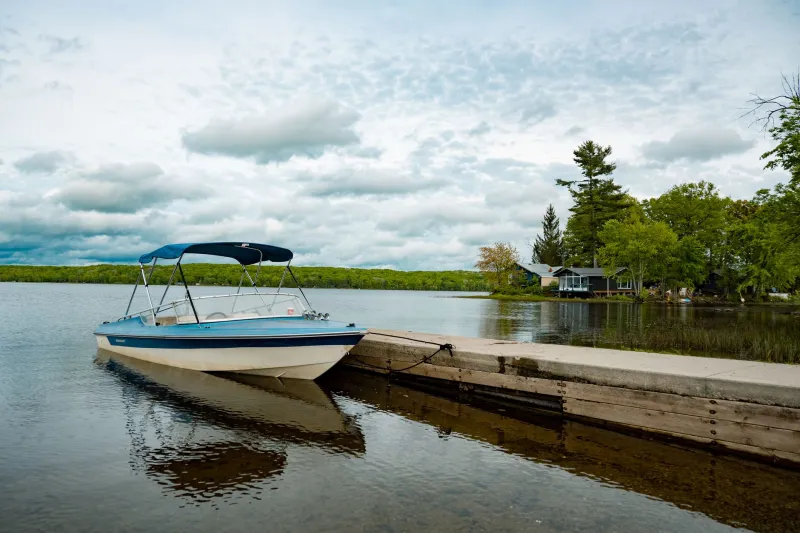
Canadian cottage owners face a distinct set of plumbing challenges that year-round homeowners rarely encounter. From properly shutting down water systems in autumn to safely reactivating them each spring, understanding the correct procedures can mean the difference between a relaxing season and an expensive repair bill. This guide walks through everything seasonal property owners need to know to protect their investment.

Is Your Sump Pump Ready for the Next Storm? What Canadian Homeowners Must Know

Is Your Sump Pump Ready for the Next Storm? What Canadian Homeowners Must Know

A sump pump is one of the most important — and most overlooked — pieces of equipment in a Canadian home. When spring snowmelt and summer storms push groundwater levels to their limits, a failing or underpowered pump can lead to thousands of dollars in basement flood damage within hours. This guide covers the warning signs of pump failure, essential maintenance steps, and why a backup system is not optional for most Canadian homeowners.

When the Ground Wakes Up: Navigating Spring Thaw Plumbing Risks in Canadian Homes

When the Ground Wakes Up: Navigating Spring Thaw Plumbing Risks in Canadian Homes

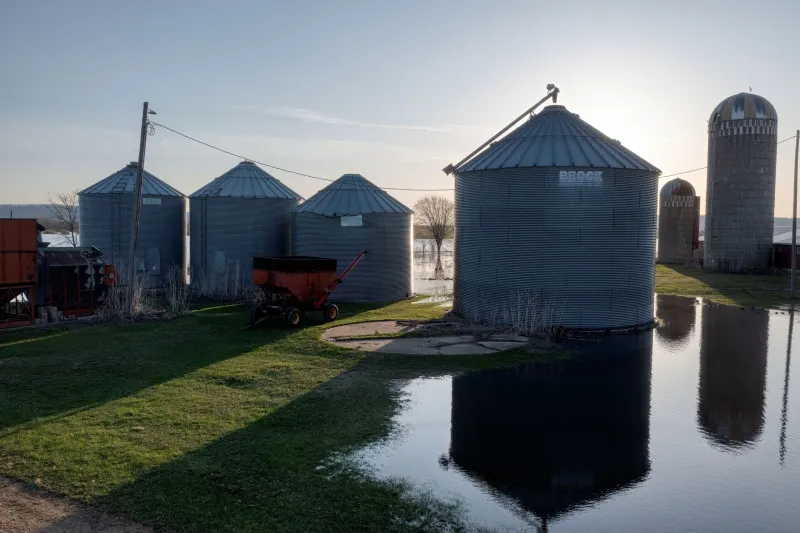
The spring thaw is one of the most demanding periods for residential plumbing systems across Canada, bringing a wave of pressure-related failures, sump pump overloads, and foundation seepage that many homeowners are simply not prepared for. From the Atlantic provinces to British Columbia, the transition from winter to spring triggers a unique set of vulnerabilities that deserve serious attention. This guide walks through the risks, the warning signs, and the practical steps that can protect your

Small Drip, Big Bill: The True Financial Cost of Ignoring Plumbing Leaks in Canada

Small Drip, Big Bill: The True Financial Cost of Ignoring Plumbing Leaks in Canada

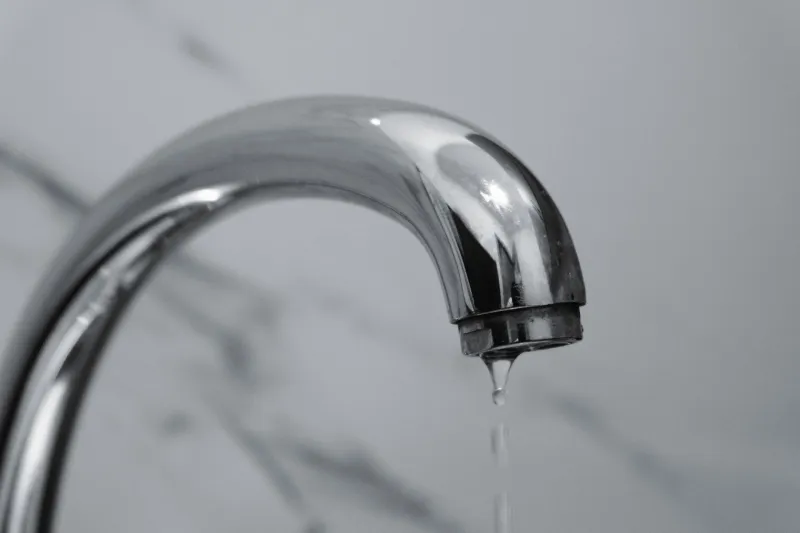
A dripping faucet or a slow-seeping pipe fitting rarely feels like a financial emergency — but the numbers tell a very different story. For Canadian homeowners, minor leaks left unaddressed routinely escalate into water damage claims, mould remediation projects, and insurance complications that can cost tens of thousands of dollars. This article breaks down exactly how that happens, and what proactive maintenance actually saves you.

Before the Cold Hits: A Canadian Homeowner's Definitive Guide to Preventing Frozen Pipes

Before the Cold Hits: A Canadian Homeowner's Definitive Guide to Preventing Frozen Pipes

Canada's winters are among the most demanding on residential plumbing systems, with temperatures that can plunge well below freezing for months at a time. From the mild, wet winters of coastal British Columbia to the brutal cold snaps of Saskatchewan and Manitoba, frozen pipes remain one of the most costly and preventable plumbing emergencies a homeowner can face. This guide walks you through everything you need to know to protect your home's plumbing before winter takes hold.